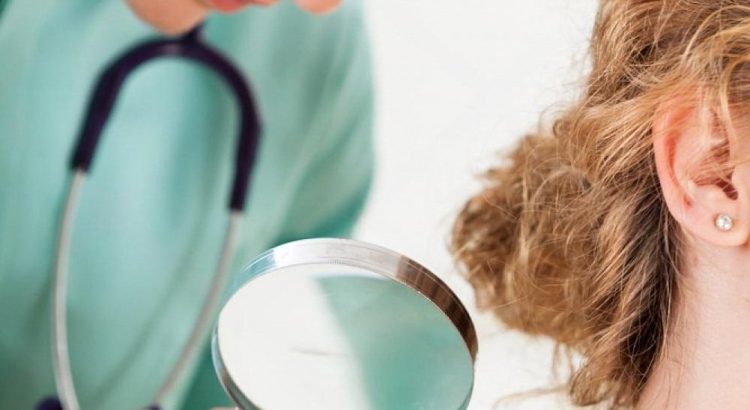
Skin health · UAE
Skin tags, moles and the marks the UAE climate leaves behind
Heat, friction from clothing, humidity in coastal areas and year-round UV all put pressure on skin. Most bumps and spots you notice in the mirror are harmless, but a small share are not. Knowing the difference is the whole point of this guide.
Living in the UAE is a specific kind of test for skin. You sweat under abaya seams, under bra straps, under watch bands and gym waistbands. You step from a 42°C car park into a 20°C mall. You get sun on your forearms driving to work even in December. All of that adds up. Skin tags love warm, moist folds. Moles darken and multiply with UV. And any lesion that changes shape or bleeds deserves attention faster than most people give it.
The good news: dermatology in the UAE is well developed, dermoscopy is widely available, and most removals are quick outpatient procedures. The bad news: DIY removal kits sold online are still popular, and they cause real harm every year.
Cosmetic bump or something that needs a doctor?
Usually harmless
- Soft skin tags in the neck, underarm or groin folds
- Flat brown moles that have looked the same for years
- Symmetrical spots, single even colour, smooth edges
- Small size, stable over months and seasons
- No bleeding, itching or crusting
See a dermatologist
- New mole appearing after age 40
- Asymmetric shape, jagged borders, multiple colours
- Larger than 6 mm or clearly growing
- Itching, bleeding, oozing or a scab that will not heal
- A single mole that looks different from all the others
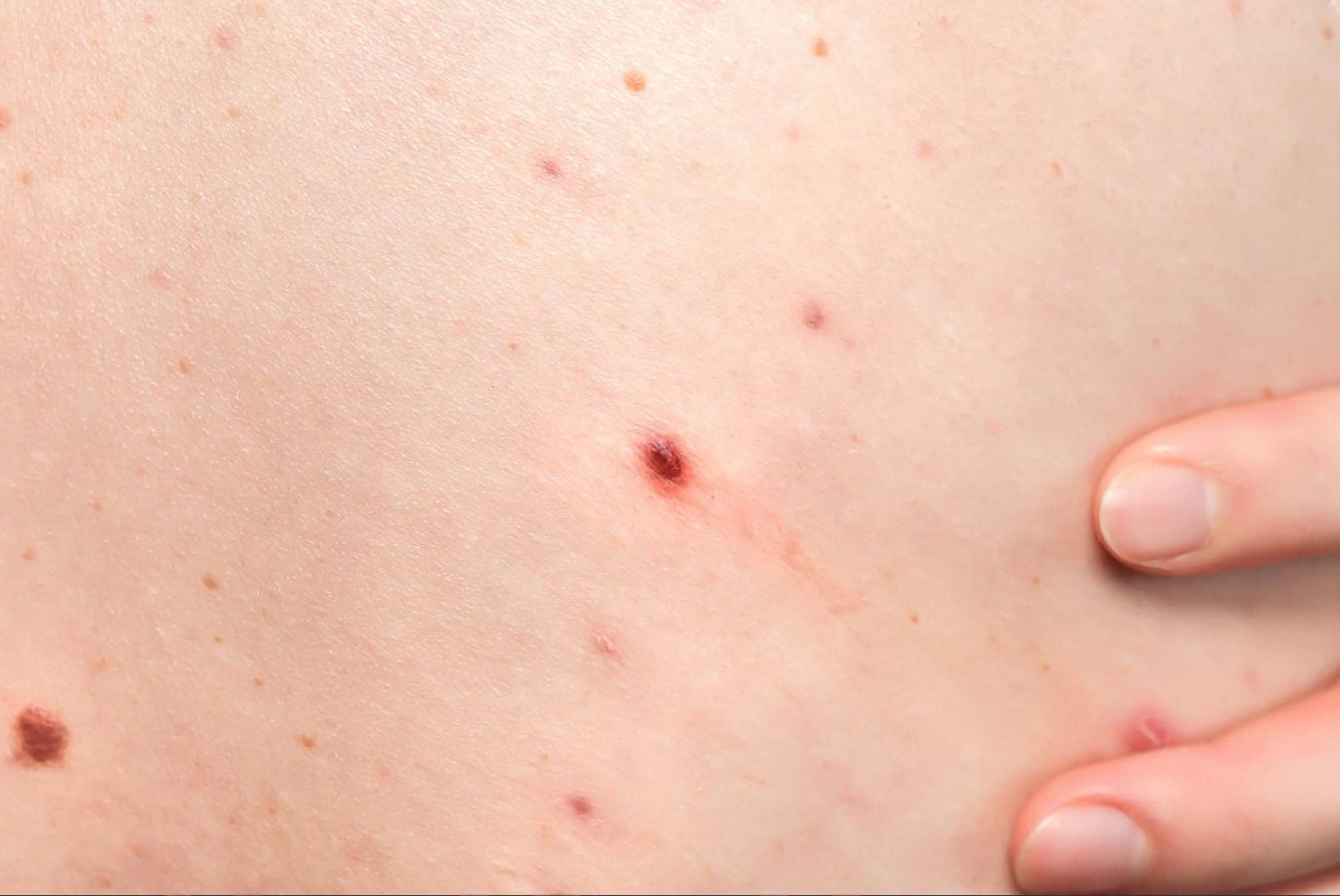
Four things people confuse
Skin tags vs moles vs atypical lesions
These four categories look similar to the untrained eye, but they behave very differently and each needs a different response.
- Skin tags (acrochordons): soft, flesh-coloured, hanging on a thin stalk. Common in folds. Not cancerous.
- Normal moles (nevi): round or oval, one uniform colour, under 6 mm, stable for years.
- Atypical moles (dysplastic nevi): larger, uneven colour, fuzzy edges. Not cancer, but a risk marker that needs monitoring.
- Suspicious lesions: anything that changes rapidly, bleeds, or fits the ABCDE warning signs below. These need a biopsy, not a wait-and-see approach.
Why the UAE climate makes it worse
Two forces do most of the damage here. The first is friction and sweat, which drive skin tag formation. The second is ultraviolet radiation. According to the World Health Organizationcumulative UV exposure is the leading modifiable risk factor for melanoma and non-melanoma skin cancers, and the Gulf region sits in one of the higher UV index bands worldwide for most of the year.
Add in the lifestyle side: long car commutes with sun through the driver-side window, weekend beach and desert trips, outdoor sports in cooler months without sunscreen, and years of tanning bed use for some residents. The result is a population that walks into clinics with more sun-driven pigmentation and more atypical moles than the numbers alone would suggest.
- Obesity and insulin resistance increase skin tag counts. Type 2 diabetes rates in the UAE hover around 16-19% in adults according to the IDF Diabetes Atlaswhich is well above the global average.
- Pregnancy hormones trigger a burst of new tags and darker moles. Most tags stay after delivery.
- Sun exposure in childhood is the strongest predictor of mole count later in life. Kids who grew up here need more, not less, vigilance as adults.
- Family history of melanoma raises risk sharply. If a first-degree relative had it, annual skin checks are not optional.
The ABCDE rule: five checks anyone can do at home
The ABCDE rule from the American Academy of Dermatology is the simplest self-screening tool available. Once a month, in good light, look at every mole and ask:
- A , Asymmetry: if you draw a line through the middle, do the halves match? They should.
- B , Border: edges should be smooth, not jagged, notched or blurred.
- C , Colour: one even shade. Multiple browns, black, red, white or blue in one lesion is a warning.
- D , Diameter: anything larger than 6 mm (a pencil eraser) deserves a closer look.
- E , Evolving: any change in size, shape, colour, height or symptoms over weeks or months.
Photograph anything that concerns you next to a coin or ruler. Same lighting, same angle, four weeks apart. That comparison is often what tips a dermatologist toward a biopsy.
Myths worth burying
“You can freeze a mole off at home with a pharmacy kit.” No. Home cryotherapy kits are designed for warts and cause burns, scars and infection when used on moles. They also destroy the tissue a pathologist would have needed to check for cancer.
“Tying dental floss around a skin tag is fine.” It works for some tiny tags, but it also causes bleeding, secondary infection and pigmented scars. Larger tags need a scalpel or electrocautery in a clinic. Total cost in the UAE is usually modest and the visit takes minutes.
“Only fair skin gets melanoma.” Darker skin has lower rates, but the melanomas that do occur (often on palms, soles and under nails) are frequently caught late. Everyone needs to check.
“If it does not hurt, it is fine.” Most early melanomas are painless. Pain is a late sign, not a screening tool.
Removal options: what actually happens in clinic
Cosmetic removal (benign lesions)
If a lesion is clearly benign and you just want it gone, options include electrocautery, radiofrequency, cryotherapy with liquid nitrogen, or CO2 laser. Skin tags typically fall off during the session. Recovery is a few days of a small scab. Non-invasive rejuvenation devices such as icoone are sometimes used afterwards to soften residual marks and improve texture around the treated area.
Medical removal (suspicious lesions)
If a mole looks atypical, the dermatologist will do a shave or excisional biopsy under local anaesthetic and send the tissue to a pathology lab. A stitch or two, a small scar and results in about a week. This is the only way to rule out melanoma. Never let anyone laser or freeze a suspicious mole, because it destroys the diagnostic tissue.
After removal: what heals well and what does not
- Keep the site clean and dry for 24-48 hours, then gentle washing is fine
- Apply the antibiotic ointment your clinic gave you, not random home remedies
- Avoid direct sun on the healing site for 6-8 weeks, or the scar will darken (a common issue in UAE climates)
- Do not pick scabs. They protect the new skin underneath
- Silicone gel or sheets from week 2 onward help flatten scars
- Return for the pathology follow-up appointment even if you feel fine
Next steps
Do a monthly self-check
Full-length mirror, hand mirror for the back, good light. Ten minutes on the first Sunday of every month. Photograph anything you want to track.
Book an annual skin check
A dermatologist with a dermatoscope catches things you cannot see. Once a year is enough for most adults; twice a year if you have many moles or a family history.
Treat the cause, not just the mark
Daily broad-spectrum SPF 30+, hats and UV-blocking window film for cars. Reducing insulin resistance also cuts down new skin tag formation.
Rule of thumb: if it is soft, dangling and boring, it is almost certainly a skin tag. If it is pigmented, changing or bleeding, do not touch it yourself. Book a dermatologist appointment this week, not next month.
Frequently asked questions
Are skin tags dangerous or contagious?
Skin tags are benign growths of skin, not tumours or infections. They are not contagious and do not turn into cancer. The only reason to remove them is comfort or cosmetics: they can catch on jewellery, seatbelts and clothing, and they tend to multiply in the same folds.
How much does mole or skin tag removal cost in the UAE?
Prices vary widely by clinic and emirate. Single skin tag removal is often bundled at a low flat rate, while excisional biopsies with pathology cost more because they include lab fees. Insurance sometimes covers medically indicated removals but rarely covers purely cosmetic ones. Ask for a written quote that separates the procedure, consultation and pathology fees before you agree.
Can I remove a skin tag at home with thread or a pharmacy kit?
It is not recommended. Ligating a tag with thread can cause infection, incomplete removal and pigmented scars, which are particularly stubborn on brown and olive skin tones common in the UAE. Over-the-counter freezing kits are designed for warts and often damage surrounding skin. A clinical removal takes minutes, heals cleaner, and gives you the chance to have anything unexpected checked properly.
How do I know if a mole is melanoma?
Use the ABCDE rule: Asymmetry, irregular Border, uneven Colour, Diameter over 6 mm, and any Evolving change. A single mole that looks different from all your other moles (the “ugly duckling” sign) is another warning. Only a dermatologist with a dermatoscope, and if needed a biopsy, can confirm the diagnosis. Do not wait for pain, because most early melanomas are painless.
Will removal leave a scar?
Every removal leaves some mark, but small skin tags often heal to a spot that is invisible within a few months. Larger excisions leave a fine linear scar. In the UAE, the biggest scar risk is post-inflammatory hyperpigmentation from sun exposure during healing. Strict sun protection for 6-8 weeks after the procedure makes a visible difference.
How often should I see a dermatologist for a full skin check?
Once a year is enough for most adults. Increase to every six months if you have more than 50 moles, a personal or family history of melanoma, a history of severe sunburns, or a fair skin type with heavy sun exposure. Between visits, do the ABCDE self-check monthly and photograph anything you want to monitor.
Can pregnancy cause new skin tags and darker moles?
Yes. Hormonal changes during pregnancy commonly trigger new skin tags, especially on the neck, chest and under the breasts, and can darken existing moles. Most skin tags stay after delivery and can be removed later. Darkening moles should still be reviewed by a dermatologist, because pregnancy does not exempt you from proper mole assessment.

Fixie owner, father of 3, fender owner, Bauhaus fan and brand builder. Performing at the junction of simplicity and purpose to give life to your brand. I sometimes make random things with friends.